Alabama DUI Attorneys
The Polson Law Firm
The Polson Law Firm




Getting arrested for a DUI in Alabama can be overwhelming, especially if it’s your first encounter with the criminal justice system. Many people facing this charge immediately ask: How long do you stay in jail for a DUI in Alabama? The answer depends on factors like your prior criminal record, level of intoxication (BAC level), and whether injuries or property damage occurred because of your drunk driving. or drugged driving.

To clearly understand what charges and sentencing you might be facing, it’s best to talk with an experienced Birmingham AL DUI lawyer who can evaluate your situation and help minimize the penalties.
If this isn’t your first offense, the consequences become even more serious. A 2nd offense DUI Alabama charge can lead to longer jail time, higher fines, and a lengthier license suspension. Understanding the potential outcomes can help you prepare for what comes next.
For a first offense DUI Alabama conviction, the potential jail sentence ranges from 48 hours to one year. However, Alabama judges have discretion within these limits and often look at mitigating factors, such as whether you cooperated with officers or had a high blood alcohol concentration (BAC). Cooperating with police officers does not mean agreeing to do every thing the arresting officer asks you to do. For example, you don’t have to agree to take the standard field sobriety tests. You can politely and respectfully decline and tell the officer no. This is still being cooperative.
A high BAC will hurt your chances of getting a reduced charge, or milder sentencing. The minimum BAC (before you are over the legal limit) is 0.08%. If you blew into a breathalyzer back at the police station or jail, and your number was 0.15% or higher, you may be charged with super DUI in Alabama.
Repeat DUI offenders face much harsher penalties. For a second DUI within ten years, jail time increases to a minimum of five days, and third-time offenders can spend up to one year incarcerated. Felony charges may apply after four or more DUIs, which can result in a state prison sentence.
A fourth or subsequent DUI conviction can result in a minimum of 10 days that must be served, though an offender could be sentenced to anywhere from one year and one day to 10 years in prison.

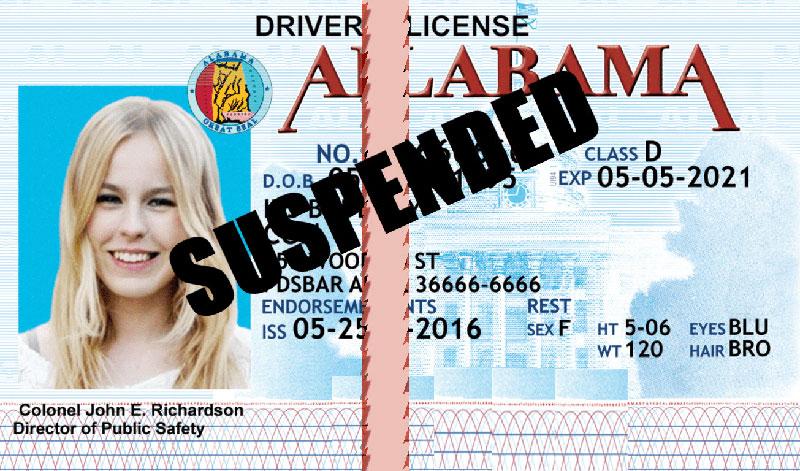
After a DUI arrest, one of the most confusing aspects is license suspension. Under Alabama DUI penalties, your driver’s license can be suspended automatically—even before your case is resolved. This administrative suspension usually goes into effect 45 days after your arrest if you don’t request a hearing.
The length of the suspension depends on if you have prior DUI convictions anywhere in the U.S.:
Installing an ignition interlock device may allow limited driving privileges sooner, especially for first-time offenders.
For a first offense DUI Alabama, penalties can include:
Judges may also order community service or require an ignition interlock device on your vehicle. These consequences highlight that even a single mistake can have long-lasting repercussions.
Yes, in some circumstances, a DUI can be reduced to a lesser charge like reckless driving. The success of this outcome depends on your legal strategy and the facts of your case. Working closely with an attorney who understands how to beat a DUI in Alabama can make a big difference.
For example, they might challenge the legality of the traffic stop, the accuracy of the breath test, or procedural errors during your arrest. If the evidence is weak, the prosecutor may agree to a reduced charge that carries fewer penalties and won’t permanently stain your criminal record.
Losing your driver’s license is one of the most disruptive parts of a DUI conviction. The time period depends on your record, ranging from 90 days for a first offense to multiple years for repeat DUIs. If you’re wondering how much is a DUI ticket in Alabama, fines often range from hundreds to several thousand dollars depending on the circumstances.
Completing driver intervention programs and maintaining SR-22 insurance are often required to reinstate your license. Many drivers also must install ignition interlock devices, which prevent the vehicle from starting if alcohol is detected on your breath.

When you’re arrested for a first DUI, you’ll likely spend at least a few hours in jail for booking. After release, you’ll have to appear in court for arraignment and subsequent hearings. This can be intimidating, but a qualified attorney can guide you through each step.
A DUI Alabama misdemeanor is still a serious crime with lasting effects, but it differs from a felony offense. So, is a DUI in Alabama a felony? The answer depends on your record. A fourth or subsequent DUI within ten years becomes a felony charge, potentially leading to years in prison, higher fines, and permanent loss of certain rights.
Here’s an overview of what to expect:
– Administrative license suspension process
– Possible ignition interlock device requirement
– Mandatory alcohol education or treatment
– Court-ordered fines and fees
Understanding how long you stay in jail for a DUI in Alabama is only part of the bigger picture. Jail time may be one of the most feared penalties, but license suspensions, financial costs, and court monitoring can be equally disruptive. Every case is different, and having a skilled Alabama DUI lawyer on your side can make a substantial difference in both the outcome and the long-term impact of your charge.
If you’re facing DUI charges, speak with attorney Whitney Polson or Zander Carrie today. They can evaluate your case, ensure your rights are protected, and help you fight for the best possible resolution.


